
4 Women’s Waxing Mistakes London Salon Pros Notice
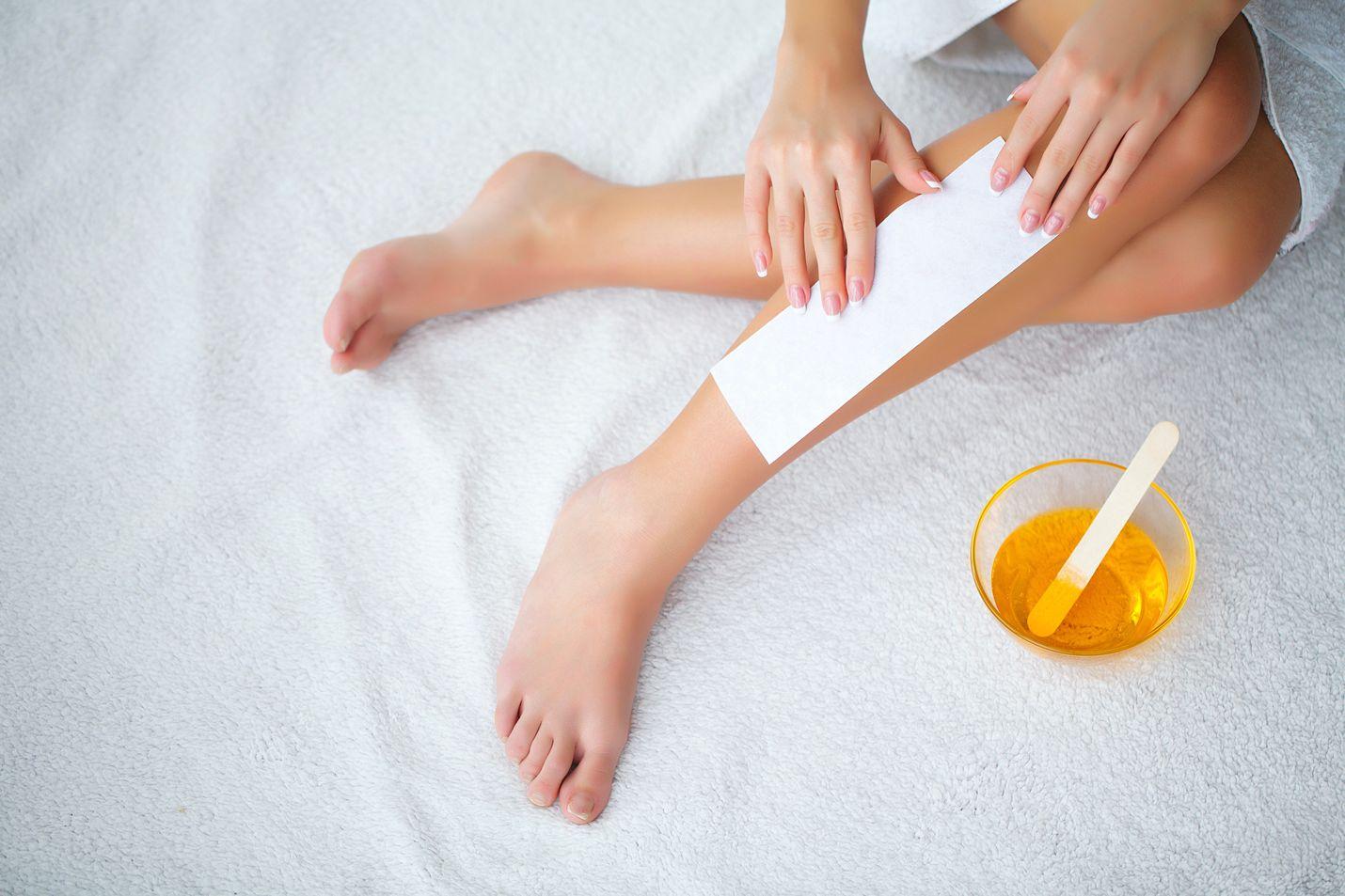
Waxing is treated as a routine beauty appointment by many women, but salon professionals often see the same preventable errors turning a simple service into a more uncomfortable, less effective experience. In London, where busy schedules encourage people to fit treatments into lunch breaks, after-work slots, or last-minute weekend appointments, small mistakes made before and after waxing can affect results far more than many clients realise. The most common problems are not dramatic. They are practical issues involving timing, preparation, skincare habits, and expectations.
A specialist from Notting Hill-based Medspa says many avoidable waxing problems start before a client even arrives for treatment. Clients often over-exfoliate, shave between appointments, or book too early for the hair to be removed properly. For women looking into women waxing London services, the specialist advice is to think of waxing as a hair-removal routine that works best with consistency, proper skin preparation, and sensible aftercare rather than a quick standalone fix.
The mistakes salon staff notice most are rarely about hygiene or serious negligence. More often, they come from assumptions. Some clients think cleaner skin means using strong acids the night before. Others assume any hair length is suitable, or that redness means something has gone badly wrong. In reality, waxing has a process, and the best results usually come from respecting it. Understanding the small things that help or hinder the treatment can reduce irritation, improve smoothness, and make repeat appointments more worthwhile.
Booking Too Soon or Waiting Far Too Long
Timing is one of the first issues waxing professionals notice, and it can affect the result before the wax is even applied. Clients often arrive either too soon after shaving or so long after their last appointment that hair growth has become uneven and more difficult to remove cleanly. Both situations create avoidable complications.
If the hair is too short, the wax may not grip properly. That can leave patches behind, make the appointment take longer, and increase the need for repeat passes over the same area. Repeated application is not always ideal for sensitive skin, especially in areas such as the bikini line, underarms, or face. When clients have shaved only a few days earlier, they may believe visible regrowth means the hair is long enough, but salon professionals often find it still lacks the length needed for a smooth result.
At the opposite end, waiting too long can also be unhelpful. Very long hair is more likely to pull unevenly, cause extra discomfort, and increase the chance of breakage rather than removal from the root. In practice, many salons will suggest trimming overly long hair before treatment or advising clients on how to prepare ahead of time. This does not mean waxing cannot be done after a long gap, but it may be less comfortable and less tidy than a well-timed appointment.
London salons regularly see clients trying to fit waxing around holidays, social events, and work commitments. That often leads to rushed booking decisions. A person may shave before a weekend away because there were no appointment slots available, then book a wax only days later, hoping for a perfect correction. Another may leave it for months and expect one session to produce the same result as a maintained routine. Salon professionals tend to view timing not as a minor detail but as one of the main factors behind a successful appointment.
In general, consistency matters more than perfection. Regular appointments tend to support a more even growth cycle and make future sessions easier to manage. From a salon perspective, women waxing London appointments that are spaced sensibly usually lead to better comfort, better finish, and fewer complaints about missed hairs or irritation.
Using the Wrong Skincare Before the Appointment
One of the most overlooked waxing mistakes happens in the bathroom cabinet. Many women are far more informed about skincare than they were a decade ago, and that is usually a positive thing. The problem is that active ingredients useful in a facial routine are not always compatible with waxing. Salon staff often notice clients arriving after using exfoliating acids, retinoids, scrubs, or strong body treatments too close to their appointment.
Waxing removes hair by lifting it from the root, but it also affects the top layer of skin in a very immediate way. If the skin has already been sensitised by glycolic acid, salicylic acid, retinol, benzoyl peroxide, or abrasive exfoliation, the treatment may feel harsher than expected. This can increase redness, stinging, or temporary surface irritation. In more delicate areas, the skin may react more strongly than the client anticipated, even if the product used at home is considered normal in a daily skincare routine.
Professionals frequently see another version of the same mistake: applying thick body lotion, oil, or fake tan shortly before waxing. These products can interfere with the wax gripping the hair effectively. When that happens, the appointment may require more product, more time, and more effort to achieve a clean finish. The client may leave thinking the therapist was not thorough, when the real issue was the skin surface being coated beforehand.
This problem is particularly common among women who treat waxing as an add-on to a wider beauty schedule. A person may have exfoliated heavily for smooth holiday skin, used self-tanner for an event, or started a new body-acid treatment without connecting any of it to an upcoming wax. Salon professionals are often left spotting the pattern once the irritation or poor grip appears.
A more practical approach is to treat waxing as its own category of treatment. Skin should be clean, dry, and calm. Gentle cleansing is useful; aggressive prep is not. Exfoliation has a place in a waxing routine, but not at the last minute and not in the form of anything that leaves skin raw, stripped, or highly sensitised. Salons tend to notice when clients prepare thoughtfully because the treatment is simpler, the skin settles faster, and the result is usually more even.
Ignoring Aftercare Once the Appointment Is Over
Many clients judge waxing almost entirely by what happens during the appointment, but professionals often say the hours afterwards matter just as much. A technically good wax can be followed by avoidable irritation if the client treats the skin as though nothing has happened. Salons repeatedly see people leave an appointment and head straight to the gym, wear tight synthetic clothing, take a very hot shower, sit in a sauna, or apply heavily fragranced products. These choices are common, but they are not ideal.
Freshly waxed skin is more exposed and more reactive than usual. Hair has been removed from the root, follicles remain open for a time, and friction can irritate the area more easily. Heat, sweat, and tight clothing can increase discomfort and encourage small bumps or ingrown hairs later on. This is especially noticeable with underarm, bikini, and leg waxing, where the skin may already be subject to rubbing or trapped heat.
Another salon complaint that appears again and again involves clients picking at the area once regrowth begins. They may squeeze ingrown hairs, scratch dry skin, or use rough exfoliating gloves too aggressively. This usually makes matters worse. What starts as minor irritation can become inflamed or leave marks that take longer to fade than the hair would have taken to grow out naturally.
Professionals also notice that some clients use aftercare only when something feels wrong, rather than as a routine part of maintaining the result. Proper hydration of the skin, gentle exfoliation after the initial settling period, and avoiding unnecessary friction can make a visible difference. Yet these habits are often ignored because the appointment itself has already been paid for and completed, so the client mentally moves on.
In a city such as London, practical aftercare can be difficult because daily movement is unavoidable. Commuting, office clothing, gym routines, and social plans do not stop after a salon visit. Even so, professionals tend to emphasise that a few sensible adjustments for a day or so can reduce many of the problems clients later blame on the wax itself. Aftercare is not a cosmetic extra. It is part of the treatment outcome.
Assuming All Waxing Services Are the Same
Another mistake salon professionals notice is the assumption that waxing is a uniform service with little variation between salons, products, or techniques. Some clients book based only on price or location and expect identical results wherever they go. Others do not mention previous reactions, skin sensitivities, medication, or concerns because they assume waxing is too basic for those details to matter. In reality, the quality of the service depends heavily on communication and suitability.
Different areas of the body may require different approaches. Hard wax may be preferred for certain sensitive zones, while strip wax can work effectively on larger areas such as legs. Skin type matters. So does hair texture, recent sun exposure, and whether the client is using skincare or medication that increases sensitivity. A salon professional may adapt the treatment based on these factors, but only if the relevant information is shared.
Many salons in London see new clients who have moved area, changed jobs, or simply chosen the nearest available appointment online. Convenience is understandable, but waxing tends to work best when a client understands what is being offered and whether it suits their needs. Someone with reactive skin may need a more cautious approach than someone booking a routine leg wax before a holiday. Someone with coarse regrowth after shaving may need advice on timing and maintenance rather than just a faster appointment.
There is also a wider issue of expectation. Some clients assume a single wax will permanently solve ingrown hairs, immediately weaken all regrowth, or leave every area entirely smooth for the same length of time. Professionals know the reality is more variable. The face, underarms, legs, and bikini line all respond differently. Hormones, growth cycles, and home care influence the result. When clients treat waxing as a standardised transaction rather than a treatment with variables, disappointment is more likely.
Salon staff usually notice the difference between a client who asks useful questions and one who treats all waxing as interchangeable. The first group tends to get more tailored advice and, often, a better long-term result. The second may keep changing providers, repeating the same mistakes, and assuming the problem is always external. Waxing is simple in one sense, but it is not one-size-fits-all.
Expecting Waxing to Fix Problems Created by Shaving Habits
One of the clearest patterns salons notice is clients moving between shaving and waxing without understanding how that affects the result. Many women book a wax because they are tired of stubble, razor rash, or uneven regrowth, but then continue shaving between appointments when short-term convenience takes over. This creates a cycle that weakens the overall benefit of waxing and makes future sessions less straightforward.
Waxing works best when hair is removed consistently from the root. That helps create a more predictable growth pattern over time. Shaving, by contrast, cuts hair at the surface and can bring back a rougher feel within days. When a client alternates between the two methods, salon professionals often see mixed hair lengths, patchy regrowth, and a less even finish. This can make the wax less efficient and leave the client feeling that waxing did not work well, when the issue is really the interrupted routine.
The misunderstanding is often linked to lifestyle. A client might intend to maintain regular appointments but then cancel one, shave for a holiday, and return weeks later expecting the previous pattern to continue. Another might wax for special occasions only, assuming the benefits of routine waxing will appear without any regular upkeep. Salon staff are used to hearing frustrations about stubborn regrowth from people whose hair cycle has been repeatedly reset by inconsistent habits.
This does not mean shaving is wrong. It is simply a different method with different outcomes. Problems arise when clients expect waxing to deliver long-lasting smoothness while also relying on shaving whenever timing becomes inconvenient. Professionals tend to notice this most in intimate waxing and underarm services, where regrowth feels obvious quickly and clients are more likely to reach for a razor between appointments.
A more realistic approach is to decide what the goal is. If the aim is quick, low-commitment hair removal, shaving may suit that better. If the aim is a smoother finish for longer and potentially easier maintenance over time, waxing requires more consistency. Salons often see the best results in clients who accept that waxing is not only an appointment but a routine. Expectations become more realistic, and the treatment has a better chance of delivering what the client actually wants.
Treating Redness or Mild Sensitivity as a Sign of Failure
The final mistake many salon professionals notice is not physical at all but interpretive. Clients often misread normal short-term reactions and either panic unnecessarily or, at the other extreme, ignore signs that they should seek proper advice. The most common confusion involves redness. Many women see a pink or slightly raised reaction immediately after waxing and assume the treatment has gone wrong. In many cases, this is simply a normal temporary response.
Waxing creates controlled trauma to the follicle and the surrounding skin surface. Some degree of redness, warmth, or sensitivity can follow, especially in areas with coarse hair or naturally reactive skin. Professionals expect this and often advise clients about what is normal for the first several hours. Problems arise when clients compare fresh post-wax skin with fully settled skin from marketing images, or when they judge the result before the area has had time to calm down.
At the same time, professionals do notice that some clients go too far in the opposite direction and dismiss repeated irritation, persistent ingrown hairs, or frequent breakage as unavoidable. That is not always correct either. If the same issue occurs after every appointment, it may point to a problem with timing, aftercare, skin sensitivity, technique, or the hair-removal method itself. Salon expertise matters here because normal and abnormal reactions are not identical.
This is where factual communication tends to make the biggest difference. A useful appointment is not just one where hair is removed effectively. It is one where the client leaves understanding what to expect, what to avoid, and when a reaction has moved beyond the usual short-lived sensitivity. Good salons are generally direct about that. They do not present waxing as flawless or consequence-free, but neither do they treat every bit of redness as a problem.
For clients, the practical lesson is to judge waxing over a slightly longer window. Immediate appearance is only part of the picture. How the skin settles, how the regrowth returns, and whether the routine becomes easier over time are better measures of success. Salon professionals notice that women who understand this are usually calmer, more consistent, and more satisfied with the overall result than those expecting instant perfection from every appointment.


:max_bytes(150000):strip_icc()/GettyImages-1308866465-5a0427599ef04870b9176456081e3bc3.jpg "The Importance of Mental Health for Foster Parents")


